

Heart Health Month: The Truth About Cholesterol, Inflammation & Why the Mediterranean Diet Works
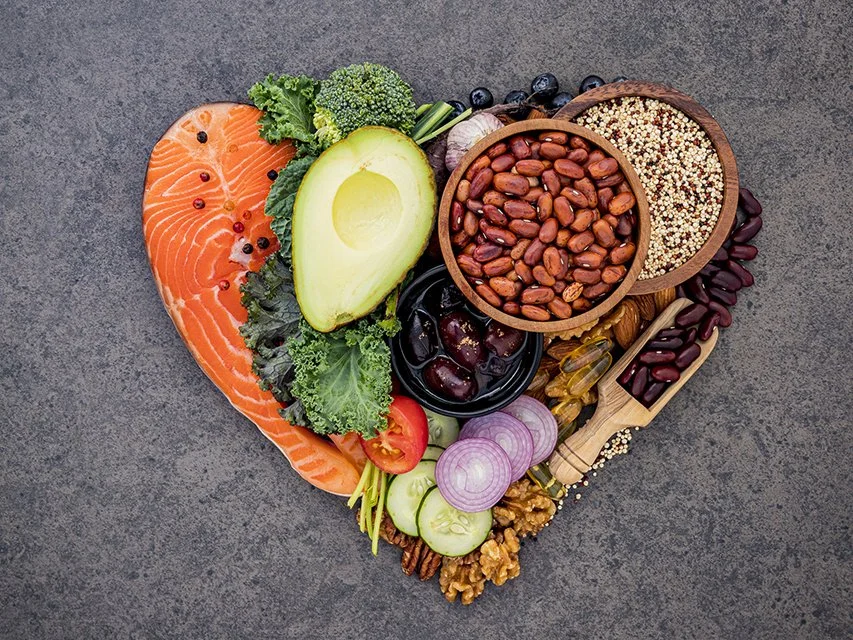
February is Heart Health Month, and if heart disease runs in your family—or you’ve ever had concerning lab work—you’re probably seeing a lot of advice that feels confusing, extreme, or unrealistic.
As a registered dietitian, heart health is something I think about constantly. Not just professionally, but personally.
I come from a strong family history of cardiovascular disease. My father passed away from congestive heart failure at 70—too young, in my opinion. I was also diagnosed with high cholesterol at just 13 years old, purely genetic. So even though I’ve always lived a healthy lifestyle, heart health has never felt optional to me. It’s something I actively work on and stay mindful of every day.
And that’s exactly why I want to simplify this conversation—because fear-based nutrition advice doesn’t actually help.
First: cholesterol isn’t the enemy
Cholesterol has been misunderstood for decades. Your body actually needs cholesterol for hormone production, brain health, and basic cell function.
When we look at heart health, we’re usually evaluating:
LDL cholesterol
HDL cholesterol
triglycerides
and sometimes inflammation markers
The goal isn’t to eliminate cholesterol—it’s to reduce overall cardiovascular risk. And that’s where lifestyle patterns matter more than any single food.
Heart health isn’t about one “bad” food
A lot of people fixate on eggs, cheese, red meat, or carbs.
But your heart doesn’t respond to one meal.
It responds to your overall habits over time—especially:
fiber intake
fat quality
movement
blood sugar balance
sleep and stress
consistency
That’s why I focus less on restriction and more on building meals that support your body long-term.
Inflammation: important, but often misunderstood
Inflammation is a buzzword right now, and many people try to “eliminate” it by cutting out entire food groups.
But inflammation itself isn’t bad—it’s a normal immune response.
What we care about is chronic inflammation, which can increase the risk of heart disease, insulin resistance, and fatigue. The good news? Chronic inflammation is highly influenced by daily habits, not perfection.
The most underrated heart-health habit
If there’s one thing I wish more people focused on for heart health, it’s fiber.
Fiber helps:
lower LDL cholesterol
support gut health
stabilize blood sugar
and reduce inflammation
Most adults don’t get enough. A realistic goal for many women is around 25g per day.
High-fiber heart-healthy foods include:
oats
beans and lentils
berries
chia or flax
apples and pears
avocados
whole grains
What about saturated fat?
Saturated fat isn’t poison—but if LDL cholesterol is elevated, it often helps to reduce saturated fat while increasing fiber.
Instead of cutting everything out, think swaps:
olive oil instead of butter most of the time
lean proteins more often
nuts, seeds, and avocado for fats
fewer ultra-processed foods
This approach is realistic and sustainable.
Why the Mediterranean diet works (without being extreme)
The Mediterranean diet consistently ranks as one of the most heart-healthy eating patterns—and for good reason.
It naturally emphasizes:
olive oil
fruits and vegetables
beans and lentils
whole grains
fish
nuts and seeds
It’s not a strict plan, and it doesn’t require perfection. Even small Mediterranean-style shifts—like using olive oil more often or adding beans a few times a week—can support cholesterol and inflammation over time.
What matters most for heart health
You don’t need a cleanse or perfect diet. Focus on:
Balanced meals with protein, fiber, and fat
Strength training (yes, it counts for heart health)
Better sleep when possible
Managing stress realistically
Consistency over intensity
If heart health is on your mind..
Whether it’s family history, genetics, or recent lab work, you don’t have to figure this out alone.
If you’ve been thinking about meeting with a dietitian, now is a great time. My team and I help clients understand their labs, build realistic plans, and take action without fear. We can also verify your insurance for you.
